How 25 Leading Fashion Brands—Including Nike, Gucci, and ASOS—Are Using AI to Transform Retail Experiences
Mike Halpert
Head of Product
Mike Halpert is Head of Product at Stylitics, where he leads the development of AI-powered merchandising solutions that help retailers scale inspiration and drive shopper engagement across every channel.
Brands like Nike, Zara, and Gucci use AI to design new collections, personalize shopping experiences, and deliver immersive digital retail.
AI helps fashion brands forecast demand, reduce overproduction, and align inventory with real-time shopper behavior.
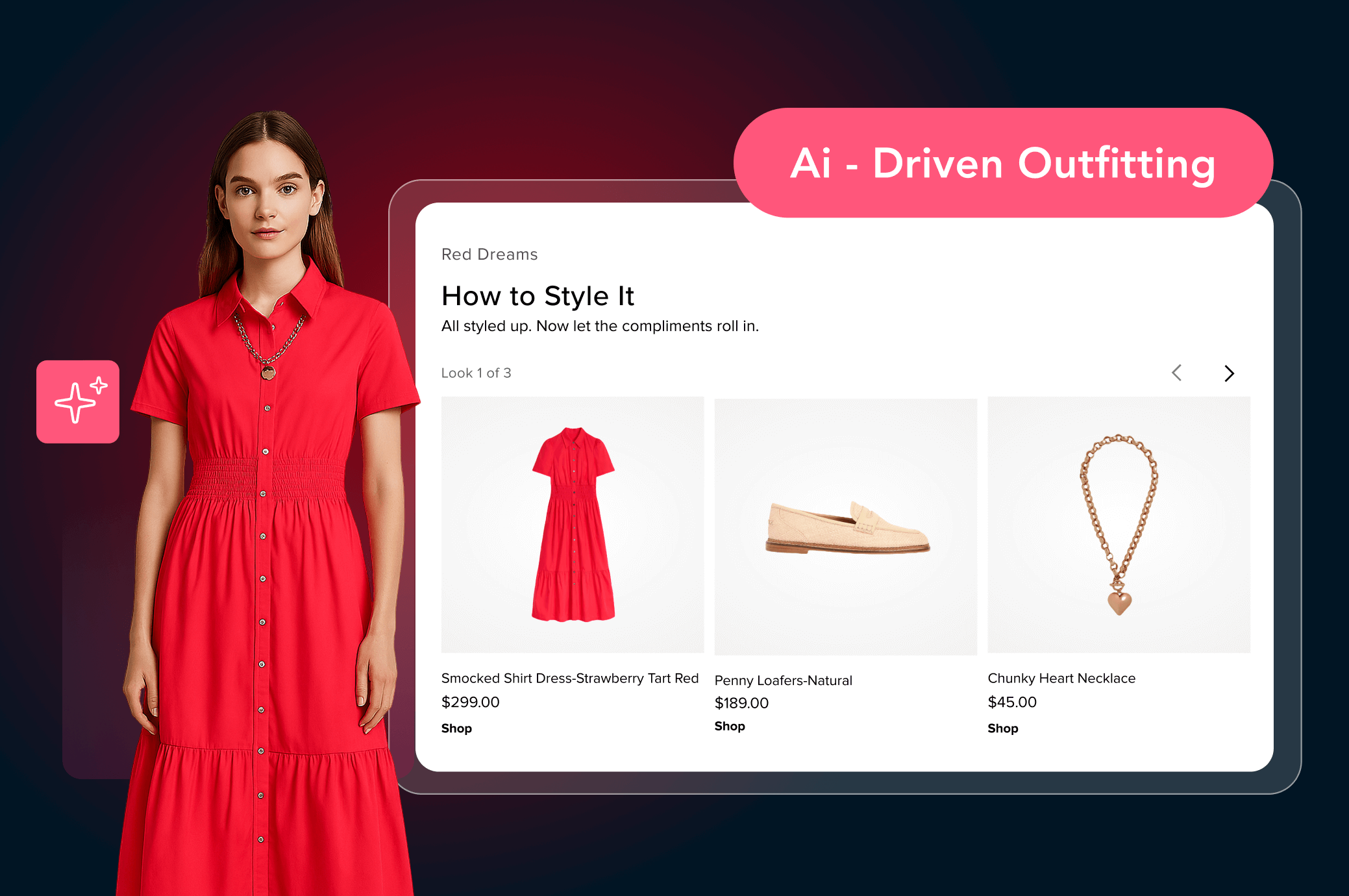
Stylitics powers AI-driven outfitting and personalization tools that increase AOV, drive multi-item carts, and boost shopper engagement.
The future of fashion belongs to brands that combine creative vision with intelligent, AI-powered tools.
Every fashion brand says it’s using AI. Far fewer can show what it actually changed: a faster product page, a fuller cart, a returns line that finally moved.
Running a pilot or licensing a model is easy. Wiring AI into the work that drives revenue is not, and that’s the difference between a press release and a result you can measure.
So this article skips the hype. You’ll see how 25 brands, including Nike, Zara, Gucci, Stitch Fix, and ASOS, actually use AI across four areas: design and product development, supply chain and inventory, customer engagement and personalization, and marketing. Then we go deeper on Stylitics, including how Academy used Stylitics AI Image Studio to produce 105,000 on-model images in a single year without growing its photoshoot budget, and how AI-driven outfitting raises order values and keeps shoppers engaged.
Do Shoppers Trust AI-Generated Images?
Download the full study and gain insight on how 400+ shoppers really feel about AI imagery in fashion ecommerce.
Veteran designer Norma Kamali uses generative AI to amplify her creative vision. Collaborating with AI studio Maison Meta, Kamali trained a custom AI model on 57 years of fashion archives.
The AI generates fresh fashion sketches and garment concepts, rejuvenating iconic styles and sparking innovative collections. The generative AI has even transformed unexpected outcomes—such as design “errors”—into avant-garde inspirations, significantly enriching her brand’s fashion design process.
“Even AI’s so-called “hallucinations” — distortions often seen as errors — became a source of inspiration.” – Norma Kamali
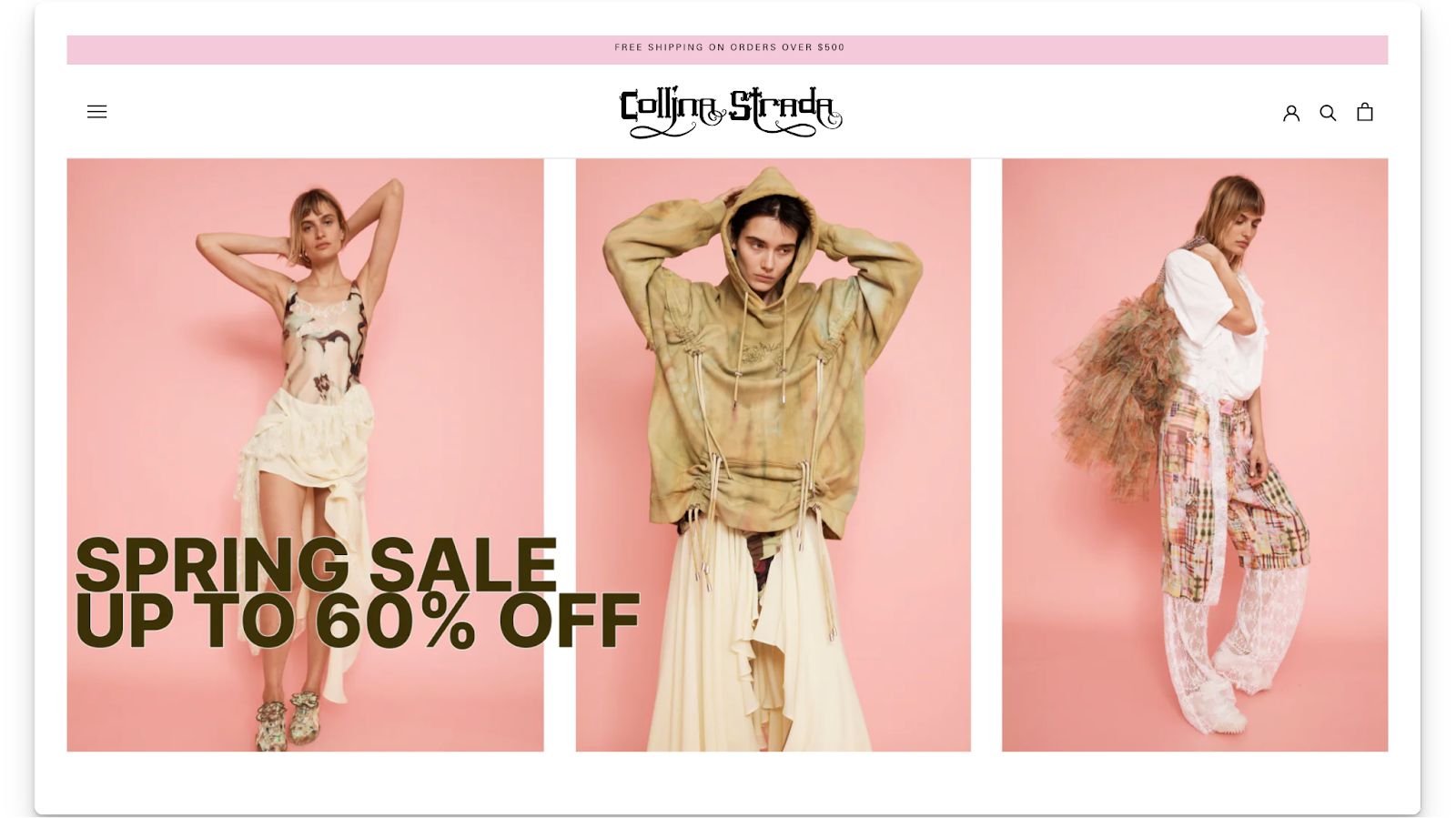
New York-based label Collina, led by designer Hillary Taymour, fed its extensive design archive into an AI system. The generative AI created novel garment concepts, iteratively refined over several weeks and brought to life for their Spring 2024 collection. This AI-driven approach showcased potential future directions and sparked dialogue about the intersection of human creativity and artificial intelligence within the fashion industry.
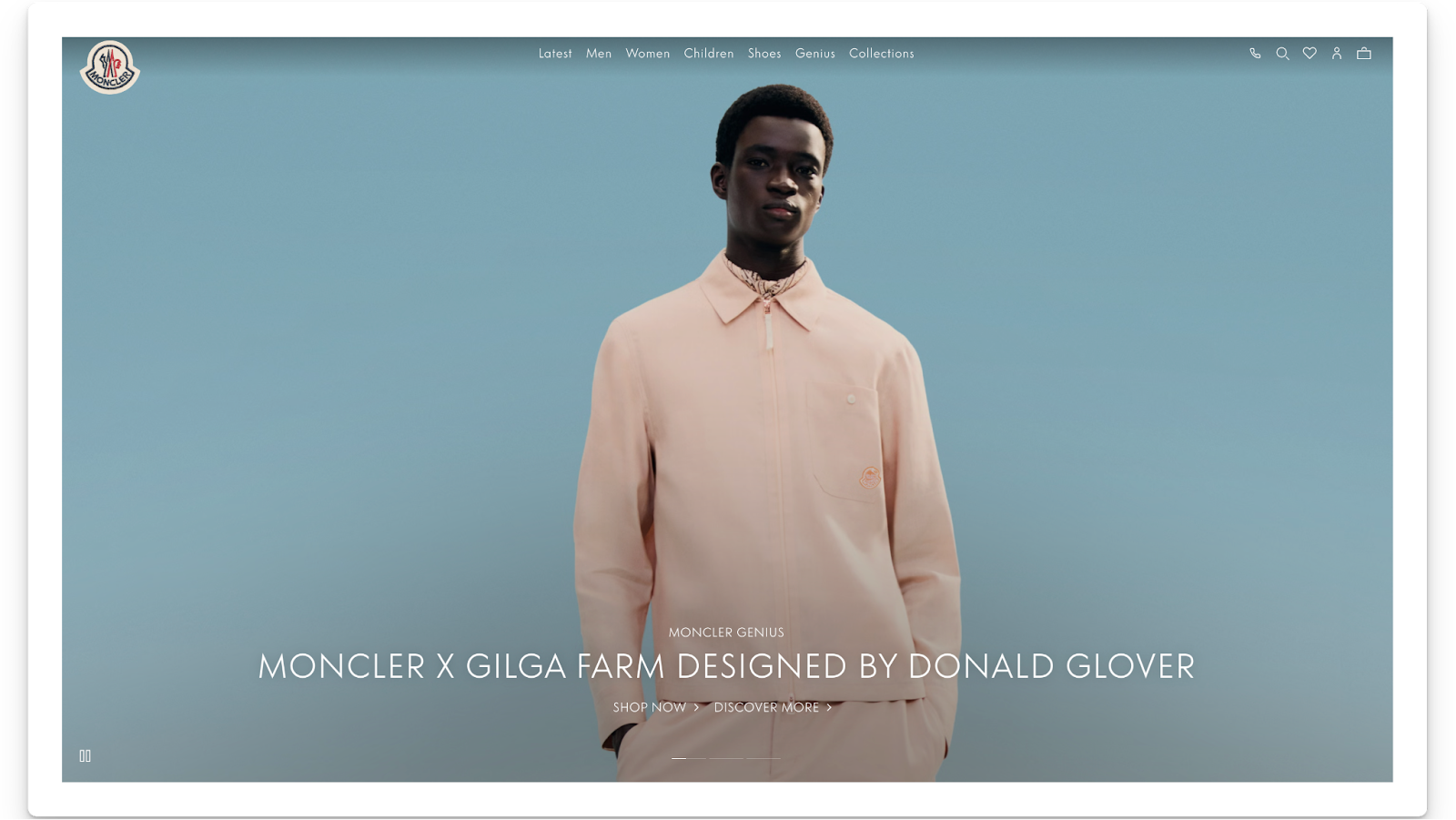
Italian luxury brand Moncler integrates AI in both fashion design and marketing campaigns. Working alongside Maison Meta, Moncler produced the Verone AI Jacket and AI-generated advertising campaigns, applying generative design methods to innovate quilted textures and extreme-weather gear concepts. This strategic AI collaboration highlights Moncler’s continued commitment to fashion innovation.
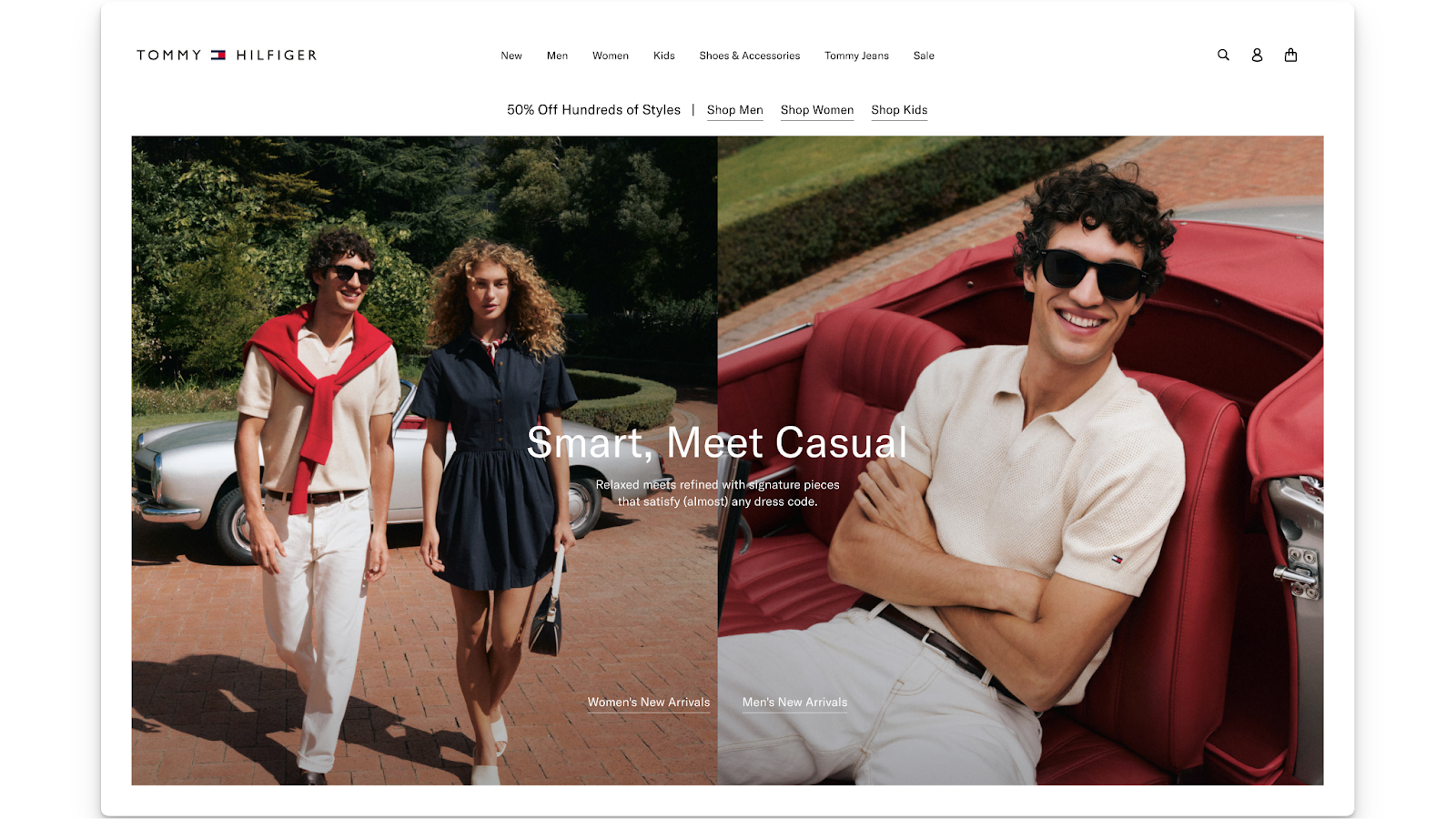
Tommy Hilfiger partnered with the Fashion Innovation Agency during Metaverse Fashion Week 2023, inviting customers to participate in AI-driven generative design processes. Participants used prompt-based image generators to virtually design preppy-style garments, significantly boosting customer engagement and informing product development through crowd-sourced design trends.
“We are using machine-learning technologies to accurately predict demand in a way we think is cutting-edge.” —Peter Pernot-Day, Head of Strategy & Corporate Affairs
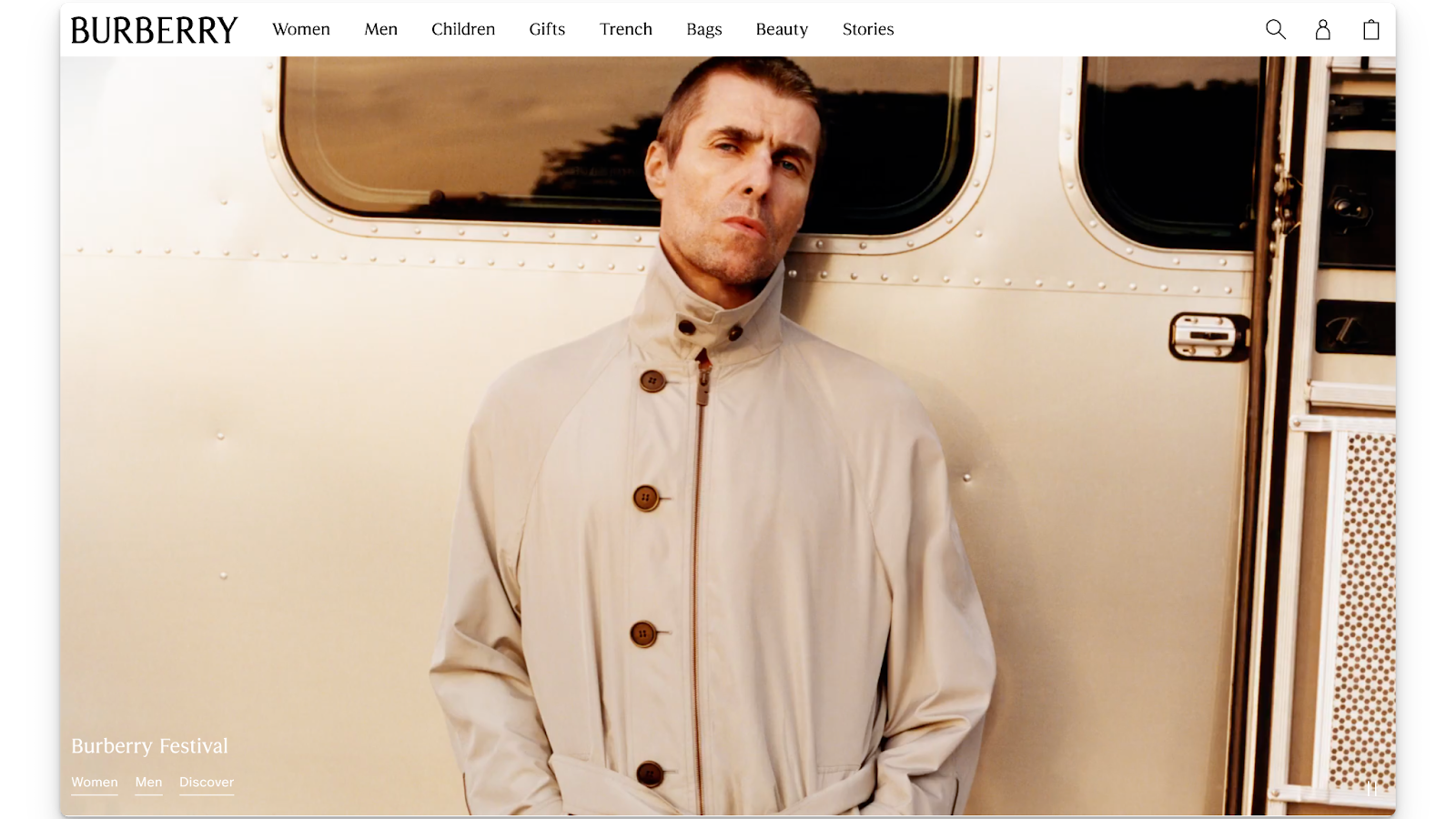
Luxury brand Burberry integrates AI into its supply chain management to monitor and redistribute inventory based on real-time demand signals. AI-driven inventory optimization significantly reduces markdowns and excess stock, aligning with Burberry’s goals of operational efficiency and sustainability.
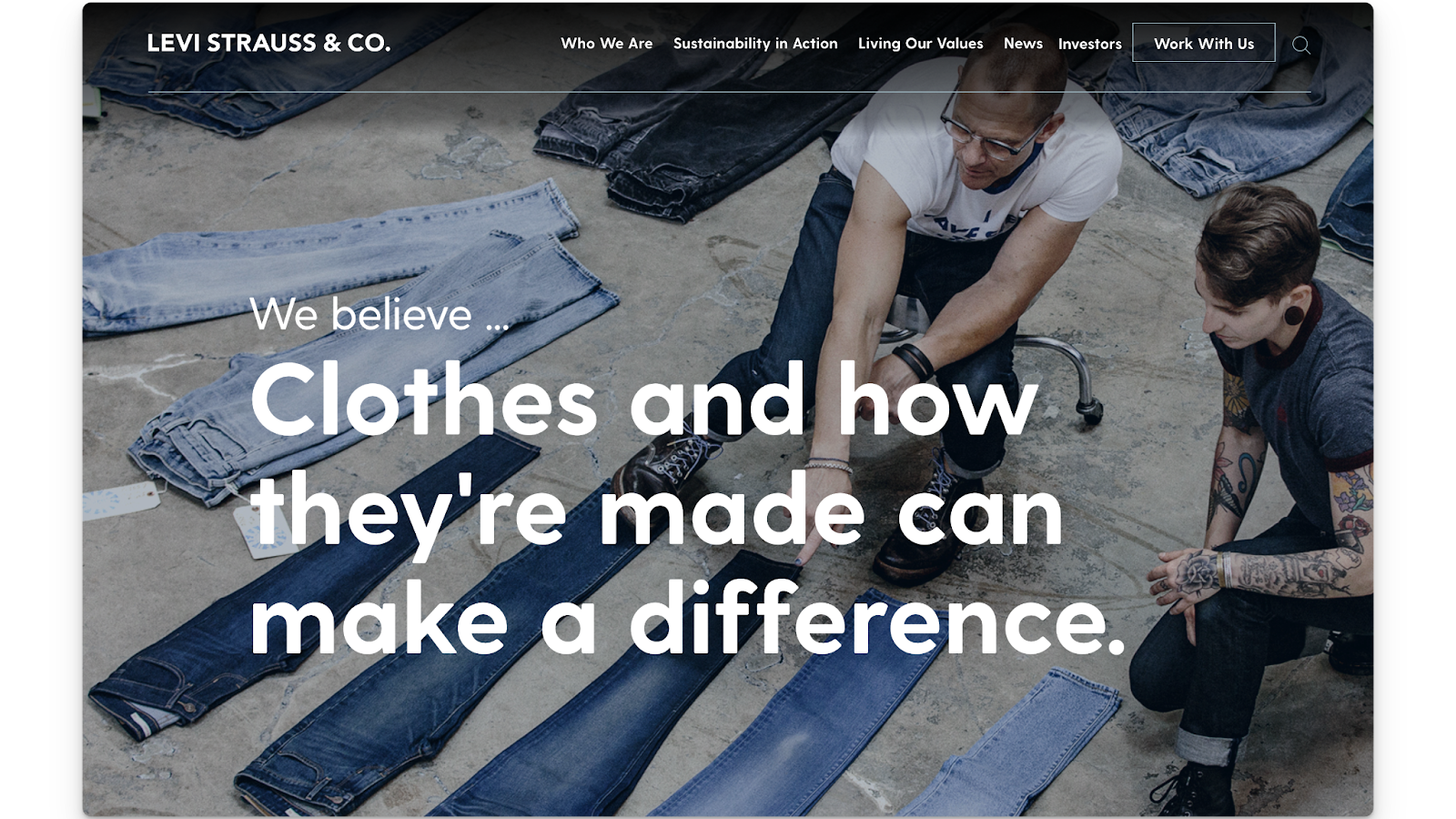
Levi’s employs AI-generated fashion models to showcase a diverse range of body types online. Coupled with AI-powered product recommendations tailored to localized customer data, Levi’s significantly enhances customer engagement, satisfaction, and retention, expanding its global loyalty program.
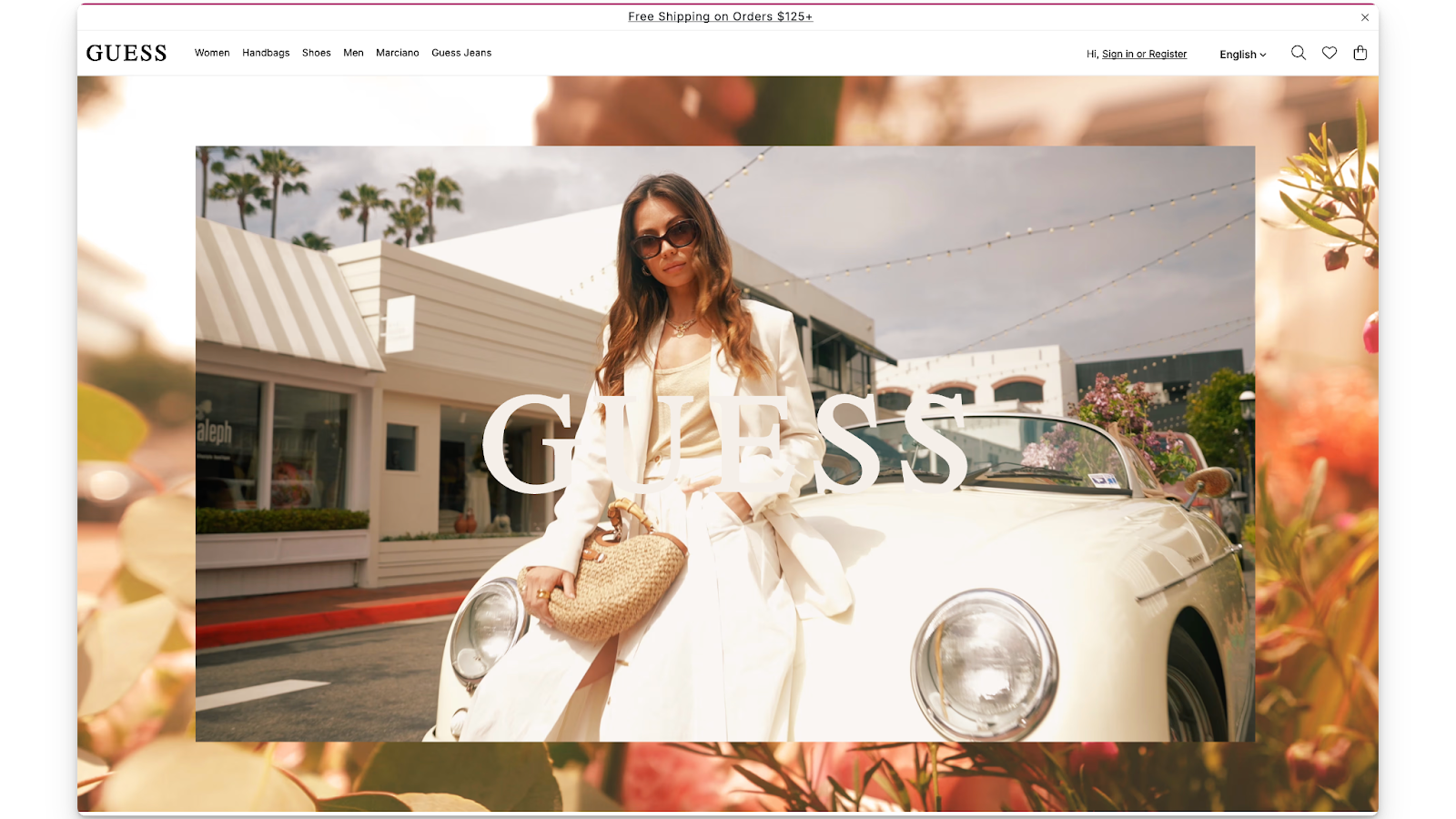
Guess partnered with Alibaba’s FashionAI, implementing smart mirrors and RFID-enabled interactive technology in concept stores. This AI-driven omnichannel integration significantly enhanced customer experiences and increased sales in Asia, showcasing the potential of AI in retail innovation.
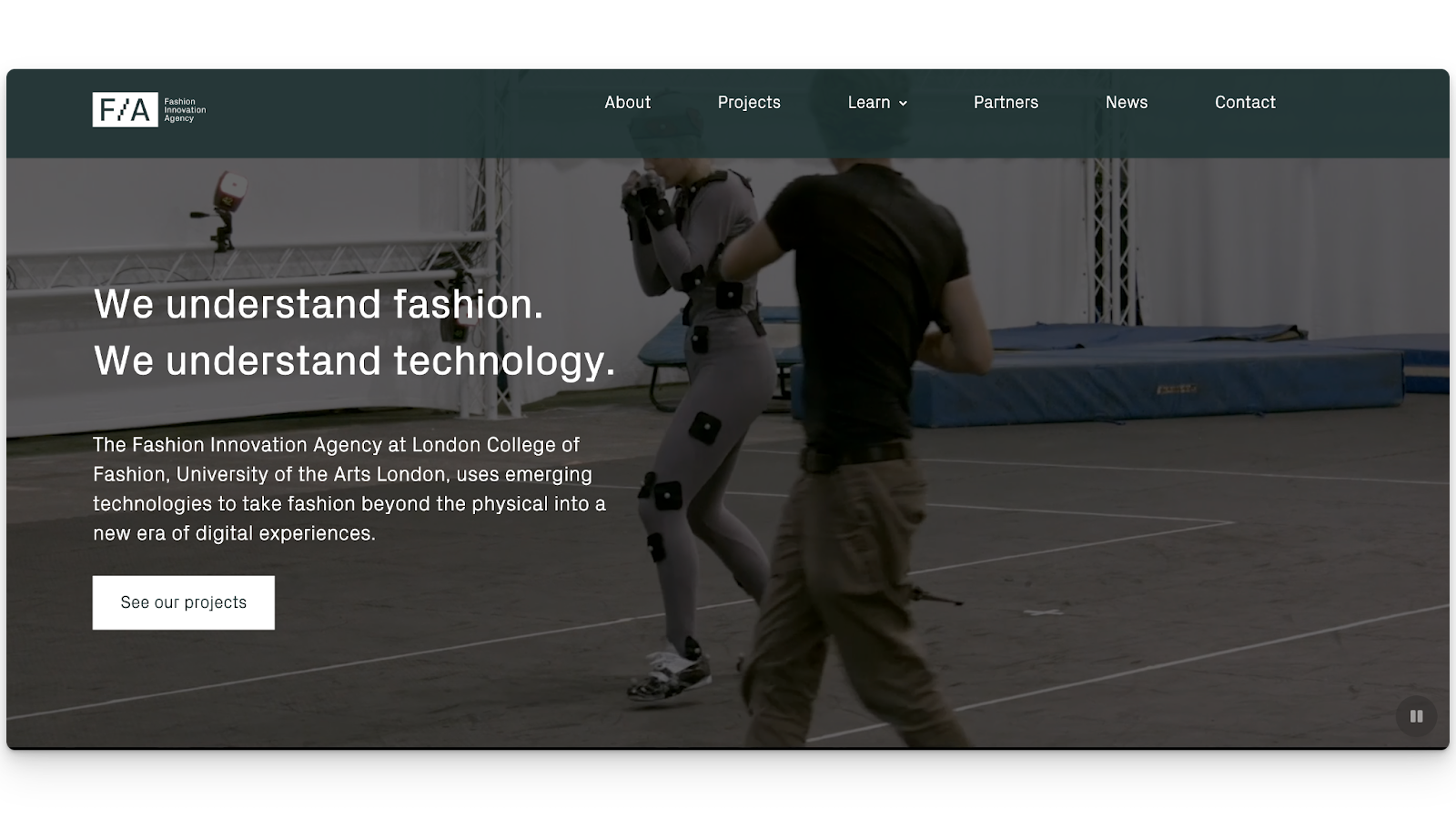
FIA uses generative AI tools such as Stable Diffusion and generative adversarial networks to produce virtual fashion runway presentations. This groundbreaking application of AI-driven fashion tech significantly broadens creative possibilities, enabling sustainable and scalable visual storytelling.
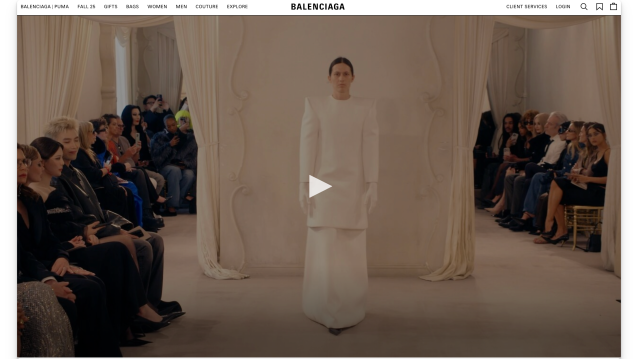
Balenciaga employs AI technology in innovative runway presentations, featuring AI-generated holographic models and AI voice narration. This forward-thinking approach significantly boosts brand visibility and captures consumer imagination, positioning Balenciaga as an innovation leader.
How Academy Scaled On-Model Imagery With Stylitics AI Image Studio
Academy set out to give shoppers a more seamless, engaging experience, and that meant producing far more on-model imagery. The team wanted to reduce photoshoot costs and turnaround time by using AI-generated imagery, but its existing third-party vendor process worked against that goal. Rather than making image production easier to scale, the process was time-consuming, created significant extra work for the Academy team, slowed execution, and made it harder to keep product imagery fresh.
The core challenges:
Limited on-model imagery: Academy needed more product imagery to support a richer shopping experience.
Slow production workflows: the third-party AI image process required significant time and coordination.
Manual operational burden: the team had to manage extra work just to generate and update imagery.
Scalability constraints: the existing approach made it hard to maintain a steady flow of updated content.
Academy partnered with Stylitics to streamline on-model image production through AI Image Studio. Stylitics reduced Academy’s reliance on its external AI vendor by implementing a more efficient workflow for incorporating on-model imagery into product carousels. The program simplified bundle and imagery updates, reduced manual effort for the team, and established a consistent cadence for refreshing content with less operational strain. Launched in November 2025, the AI Image Studio program is part of a two-year agreement with a contracted volume of 105,000 images in Year 1 and 90,000 images in Year 2.
With AI Image Studio, Academy built a more scalable workflow for producing and refreshing on-model imagery. By reducing reliance on its time-consuming third-party process, the team could update product carousels more efficiently and maintain a steadier flow of fresh content. Key impact areas:
Reduced third-party vendor dependency: less reliance on a time-consuming external AI image process.
Greater operational efficiency: simplified bundle and imagery updates freed the team to focus on higher-impact work.
Faster, more consistent content refreshes: a reliable cadence for updating on-model imagery in product carousels.
Cost control: a steady flow of updated on-model content without increasing costs.
Richer product presentation: more on-model imagery supporting a more seamless, engaging shopping experience.
As the program continues, the workflow Academy established with Stylitics provides a repeatable foundation for scaling on-model imagery and maintaining a consistent cadence of content updates.
How Stylitics Turns a Decade of Outfitting Data Into Production-Ready AI
Most of the brands above license a model or run a pilot. What separates an experiment from infrastructure is the data models underneath it. At Stylitics, we have spent a decade building outfitting data alongside the largest enterprise fashion retailers in the market — and that proprietary corpus is what trains the machine learning systems, predictive models, and deep learning algorithms that power the platform today. Industry analyses from McKinsey & Company and Business of Fashion’s BoF Insights make the same point repeatedly: in fashion, the differentiator isn’t access to a generative model — those are increasingly commoditized — it’s the quality and depth of the proprietary data you feed it.
That data advantage shows up as practical outcomes. Across 175+ retailers reaching 200M+ shoppers a month, Stylitics uses consumer analytics and trend prediction to drive real results — Rhone saw a 39% AOV increase and 10x ROI within 100 days, and JD Sports reports that Shop the Model drives 50% of total widget revenue. The same signals that surface a winning outfit also flag slow-moving SKUs before they become unsold stock, helping merchandising teams act on data analytics instead of guesswork.
Inside the AI Outfitting Engine: from product feed to published look
The AI Outfitting Engine is Stylitics’ end-to-end automated system for creating styled outfits at scale with minimal human intervention. It runs an entire client catalog from raw product photo to published, shoppable look in under six hours, across eight integrated stages — all on cloud-based data processing orchestrated for parallel work at massive scale, even when a retailer is still on legacy infrastructure:
1. Data ingestion — client product feeds are pulled from FTPs and APIs, with account-specific configuration for vector loading, image attribution, and out-of-stock replacement.
2. Image processing — raw product photos are cleaned and standardized (laydown detection, intelligent transformation, shadow processing) into composition-ready images.
3. LLM item attribution — an AI classifier runs attribution templates that tag each item’s category, color and pattern, fabric properties, structure, occasion, and style, and even drafts product descriptions. Category attribution drives every downstream step.
4. Vector loading — Stylitics’ proprietary Vision API extracts visual attributes and indexes every product into a vector database for semantic similarity search.
5. Brand profile generation — AI-generated styling guidelines give the bundling agents deep knowledge of each brand’s aesthetic, rules, and voice, so the output respects brand heritage rather than flattening it.
6. Outfit creation — an autonomous agent searches, builds, self-reviews, and saves bundles, with backtracking to remove and retry until a look scores well against the brand profile.
7. Human review — bundles that don’t clear auto-approval go to fashion-trained human QC, the layer that keeps quality high without a black box.
8. Analyst Agent — a conversational AI closes the feedback loop, surfacing patterns across thousands of reviews so the decision-making processes behind future outfits keep improving.
The result is a system where roughly 90% of agentic bundles are auto-approved and published, while the remaining 10% route to human reviewers — both for quality assurance and to keep training the model. Those attribution templates are doing double duty: they curate the on-site personalized fashion experiences shoppers see, and they enrich the catalog feeding search queries and retail media downstream via Catalog Enrichment and Site Search Enrichment.
Generative AI On-Model Imagery That Respects Fabric, Fiber, and Brand Heritage
The hardest part of generative on-model imagery isn’t making a model appear — it’s making the garment believable. A jacket has to drape like its textile fiber actually drapes; knit, denim, and technical performance fabric each reflect light differently. Stylitics’ AI Image Studio is built so the generative model preserves those fabric properties — drape, hardware, stitching, sheen — which is why every asset still passes fashion-trained human QC before it ships. This is the discipline that separates a usable campaign asset from an uncanny one, and it’s why Stylitics treats the work as AI-Assisted Design Collaboration rather than push-button generation.
Because the imagery is generated from a retailer’s own catalog and brand profile, the output behaves like faithful AI-generated replicas of a brand’s existing styles — extending design collections into new poses, colorways, and settings without re-shooting them. That keeps intellectual property and brand heritage firmly in the retailer’s hands, and it makes the economics work: AI Image Studio produces 15,000–20,000 on-model images a month at roughly 10–20% of traditional photoshoot cost, turning what used to require recurring fashion shoots into an always-on content pipeline for PDPs, email, and social media posts.
Flat Lay to Model — turn a flat-lay into a styled on-model shot with adjustable poses.
AI Colorway Generation — generate a photorealistic image for every colorway from one reference shot, so each variant gets its own on-model imagery.
Why Fashion’s Future Belongs to Brands Leveraging AI—and How Stylitics Can Help You Lead
From product design and inventory planning to personalized styling and marketing, AI is transforming every corner of the fashion industry. Brands like Nike, Gucci, Patagonia—and forward-thinking retailers partnering with Stylitics—are leading the way. Ready to elevate your retail strategy with AI-powered digital merchandising? Contact Stylitics to get started.
Frequently Asked Quesitons
They’re using AI to create styled product bundles, personalize shopping experiences, and automate visual merchandising at scale.
Retailers see higher AOV, better conversion rates, and faster content production—all while staying on-brand and trend-aware.
Not with Stylitics. Brands can launch no-code styling modules quickly and start seeing impact in days—not months.



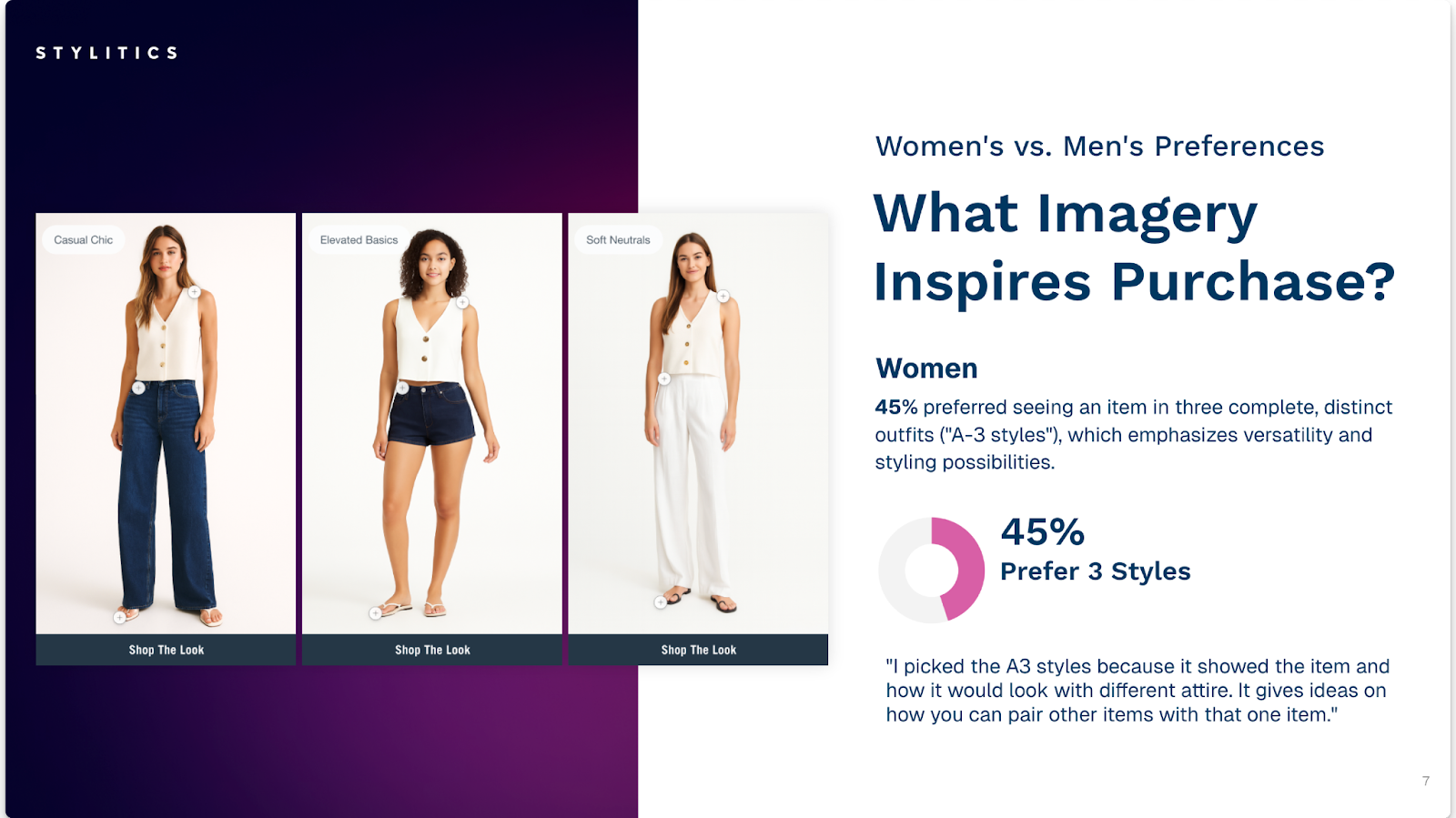
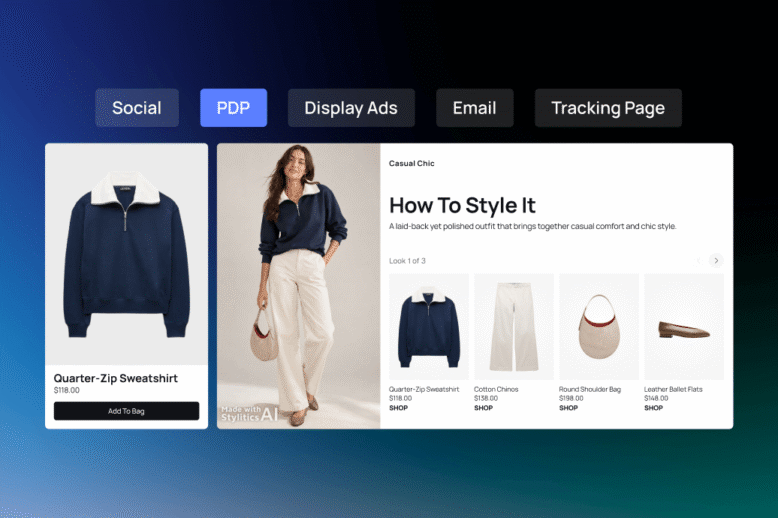
 Shop the Look Let shoppers buy the full outfit directly from any styled image.
 Styled for You Personalized outfit recommendations based on individual shopper preferences.
 Complete the Look Suggest complementary pieces to round out whatever a shopper is already viewing.
 Shop Similar Surface visually comparable alternatives when a specific item is out of stock or out of budget.
 Flat Lay to Model Choose from diverse models with full control over pose, crop, and framing.
 Background & Scene Swaps Place products in clean studio backgrounds, lifestyle environments, or custom lighting moods.
 AI Colorway Swaps Create photorealistic images for every colorway from a single reference shot.
 Model Diversity & Inclusive Imagery Output-ready formats for PDPs, social platforms, and campaign lookbooks.